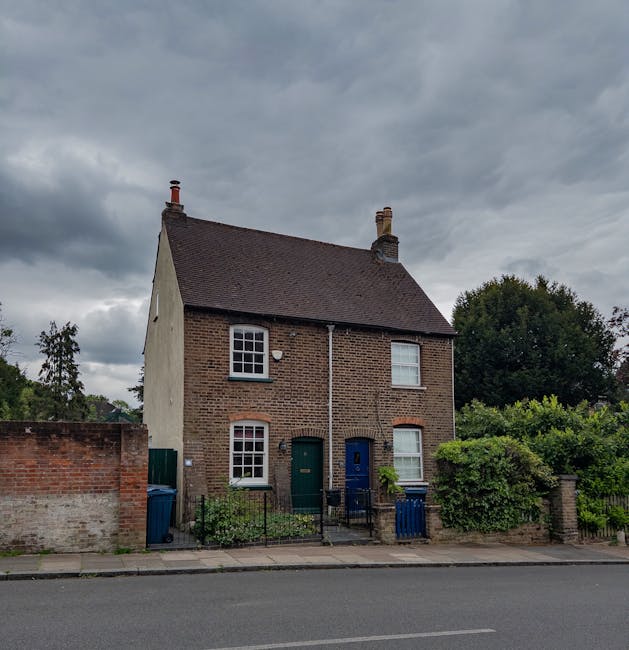
Headstone Manor removals tips for historic North Harrow homes
If you are planning a move around Headstone Manor, the job can feel a bit more delicate than a standard house shift. Historic North Harrow homes often have narrow staircases, older joinery, awkward access, and belongings that need a gentler touch. That is exactly why Headstone Manor removals tips for historic North Harrow homes matter: they help you move safely, protect the character of the property, and keep the whole process under control rather than chaotic. Truth be told, the difference between a smooth move and a stressful one is often in the preparation, not the van.
In this guide, you will find practical advice on planning, packing, access, storage, compliance, and how to choose the right removal approach for an older property. We will also cover common mistakes, a simple step-by-step process, and the sort of small details that make a big difference on moving day. Let's face it, historic homes do not forgive sloppy planning.
Table of Contents
- Why Headstone Manor removals tips for historic North Harrow homes Matters
- How Headstone Manor removals tips for historic North Harrow homes Works
- Key Benefits and Practical Advantages
- Who This Is For and When It Makes Sense
- Step-by-Step Guidance
- Expert Tips for Better Results
- Common Mistakes to Avoid
- Tools, Resources and Recommendations
- Law, Compliance, Standards, or Best Practice
- Options, Methods, or Comparison Table
- Case Study or Real-World Example
- Practical Checklist
- Conclusion
- Frequently Asked Questions
Why Headstone Manor removals tips for historic North Harrow homes Matters
Older homes in and around Headstone Manor often have features that change the moving day completely. Think tighter hallways, uneven floors, original banisters, heavy doors, sash windows, and rooms that were not designed for modern bulky furniture. A sofa that sails through a new-build flat can become an awkward puzzle in a Victorian terrace or an older semi. Why risk scuffs, strained backs, or a stalled move when a bit of planning makes it manageable?
There is also the matter of heritage value. Even if a property is not formally listed, many homes in historic North Harrow streets still have original details worth protecting. Scraped plaster, chipped skirting, or a cracked stair tread can be costly and upsetting. In our experience, people often worry most about the big items, but it is the small knocks that linger in your mind afterwards. That tiny dent in a doorway. The mark on the landing. The scratch you keep spotting every time you walk past.
Good removals advice matters because it helps you balance three things at once:
- keeping your belongings safe
- protecting the fabric of the home
- reducing pressure on everyone involved on the day
For local residents, it can also help with practical issues like parking, narrow roads, and timing around neighbours. A well-run move is not only about speed. It is about coordination, patience, and a bit of common sense.
Expert summary: historic homes reward careful planning. Measure first, protect surfaces early, and assume at least one awkward point of access will need a backup plan.
How Headstone Manor removals tips for historic North Harrow homes Works
The process starts long before the van arrives. You look at the property, identify access issues, decide what needs dismantling, and work out what can be moved safely in one piece. That sounds simple enough, but historic homes tend to reveal surprises. A stairwell that looked fine in daylight suddenly feels very narrow once a wardrobe is half turned on its side. A front step that seemed harmless becomes the main obstacle when a bulky mattress is in hand. You know the sort of thing.
A good approach usually follows a sequence:
- Assess the property layout and access points.
- Sort and reduce what you are taking.
- Pack fragile items with extra protection.
- Dismantle large or awkward furniture if needed.
- Plan loading order for heavy and fragile items.
- Protect floors, bannisters, corners, and door frames.
- Confirm parking, timing, and neighbour considerations.
For many households, the move also benefits from storage. If you are between properties, renovating, or waiting for a room to be ready, secure storage can take some of the pressure off. That can be especially helpful in older homes where access is tight and you do not want to rush items into the wrong room just to clear the hallway.
The key idea is simple: move the property in the safest sequence, not the fastest-looking one. Often those are not the same thing.
Key Benefits and Practical Advantages
People usually think removals advice is about avoiding stress. Fair enough, it is. But there are some very practical benefits that deserve a proper mention.
1. Less damage to the home
Historic properties often have more vulnerable surfaces than newer homes. Original woodwork, old plaster, stone thresholds, and older paint finishes can all mark easily. Using the right protection and moving method keeps the home looking as it should.
2. Better protection for furniture
Older stairs and narrow turns can damage furniture just as easily as walls. A proper plan helps you avoid crushed corners, torn upholstery, and bent fittings.
3. Faster moving day overall
Oddly enough, being careful usually speeds things up. When everyone knows the route, the fragile items, and the order of loading, there is less standing around wondering what happens next.
4. Reduced physical strain
Heavy lifting in a tight property is no joke. A little planning can reduce back strain, finger traps, and those awkward "shall we just tilt it again?" moments that always sound easier than they are.
5. More control over timing
Historic homes often need a more measured pace, especially if access is limited. That makes it worth choosing a removals approach that can work around the property, not against it.
There is also a mental benefit that people underestimate. When the house is protected and the route is clear, you can actually breathe. That calm feeling matters on moving day.
Who This Is For and When It Makes Sense
This advice is useful for a wide range of people, not just those in obviously old houses. If your home has character, awkward access, or fragile finishes, these tips will help.
- Homeowners moving out of period terraces or semis
- Buyers moving into older North Harrow properties
- Landlords preparing a tenant handover in a character property
- People downsizing and moving family furniture carefully
- Anyone combining removals with temporary storage
- Residents needing a local move with limited parking or access
It also makes sense if you are moving only part of a household. For example, perhaps the upstairs rooms are staying put while the dining room furniture and packed boxes are going elsewhere. In that case, a service such as local removals or small removals may be more practical than a large-scale full-house move.
And if you are not sure whether the move needs a full team or a lighter-touch option, think about access first. If the route is tight, the property is old, and the items are fragile, you are already in "plan carefully" territory.
Step-by-Step Guidance
Here is a straightforward way to approach removals in a historic North Harrow home without overcomplicating things.
Step 1: Walk the route properly
Do a real walk-through from room to van exit. Not just a quick glance. Look at corners, turns, low ceilings, loose rugs, narrow doors, and any steps or uneven paving outside. If you have to turn a bed frame twice to get it out, note that early.
Step 2: Measure the awkward items
Measure large furniture before moving day. Sofas, wardrobes, beds, mirrors, and appliances are the usual suspects. If something is only just likely to fit, dismantle it. That is the calm decision, even if it feels like extra work at the time.
Step 3: Decide what to keep, move, store, or discard
Historic homes can hide more belongings than you realise. Cupboards, lofts, garden sheds, and under-stair spaces have a funny way of swallowing half your life. Sort honestly. If something is not going to the new home, remove it before moving day. If it is needed later but not now, use short-term storage or long-term storage depending on your timeline.
Step 4: Pack by room and by fragility
Label boxes clearly. Not just "kitchen" but "kitchen - fragile glassware" or "kitchen - daily essentials". It saves time and reduces the risk of a box being dropped into the wrong room at the end of a long day. Use stronger wrapping for antiques, framed pictures, ceramics, and heirloom items.
Step 5: Protect the property before anything moves
Cover floors where needed, especially on polished timber, tiles, or older stone. Protect bannisters, corners, and door frames. A couple of blankets in the right place can save a lot of heartache. It is a small thing, but it really matters.
Step 6: Load in a sensible order
Heavier items should usually go in first, with fragile and essential items kept safe and separate. If you are using professional help, make sure the team knows what needs special care and what should be unloaded first. You do not want the kettle buried behind three wardrobes and a box of winter coats. Been there? Not ideal.
Step 7: Leave a clear final sweep
Before leaving, check every cupboard, loft hatch, shed, and window ledge. Historic houses often have odd little storage spots, and something always gets left behind if you do not check. Always.
Expert Tips for Better Results
If you want the move to feel easier, these are the details that pay off.
Use softer, smarter packing for older homes
Boxes are useful, but a historic house often has items that deserve more than standard packing paper. Use proper wrapping, corner protection, and padded covers for mirrors and artwork. Don't overload boxes either. Heavy books in a too-large box can become a back problem before you even reach the door.
Plan for weather and timing
A damp North Harrow morning can make steps slippy and heavy items harder to handle. If your move is in autumn or winter, build in extra time. A slightly earlier start can make a real difference, especially when daylight is limited and you are balancing access with neighbours coming and going.
Keep essential items separate
Pack a small "first night" bag with chargers, medication, toilet essentials, kettle items, key documents, and a change of clothes. You will thank yourself later. Possibly with tea. Definitely with tea.
Be honest about access
If the staircase is awkward, say so. If there is no easy parking close by, say so. If the front path slopes or the rear gate is narrow, say so. The more accurate the picture, the better the move can be planned.
Use storage as a pressure valve
A lot of people think storage is only for long delays, but it can also solve short-term moving-day issues. If your new home is not quite ready, or you want to avoid overcrowding the old property before completion, removals and storage can give you a calmer, more flexible transition.
Practical note: in historic homes, the safest move is often the one that involves fewer people carrying larger items through fewer tight spaces. Simpler usually wins.
Common Mistakes to Avoid
Some move-day problems are avoidable almost every time. They happen because people underestimate the house, the furniture, or the time needed. Here are the big ones.
- Not measuring properly. Guessing a sofa will fit is a classic mistake. Guessing is not a plan.
- Leaving packing too late. Historic homes tend to have more belongings tucked away than expected.
- Ignoring the route outside. A narrow pavement, parked cars, or tight turning space can slow everything down.
- Overfilling boxes. This is how fragile items get broken and wrists get sore.
- Forgetting property protection. One scratched stair edge can ruin a good moving day mood.
- Not preparing for storage needs. Sometimes you need a buffer, not a perfect same-day transfer.
- Assuming all rooms are easy access. In older houses, the back bedroom may be the real challenge, not the front door.
A small personal aside: the number of times people say, "It looked easier yesterday," on moving day is almost comical. The house changes when the boxes appear. Spaces shrink. Routes feel tighter. That is normal, but it is why the planning matters so much.
Tools, Resources and Recommendations
You do not need a huge kit to move well, but a few practical tools make a real difference.
Useful packing and moving items
- strong boxes in mixed sizes
- packing paper and bubble wrap
- blankets or furniture covers
- labels and permanent markers
- tape, scissors, and a simple toolkit
- door and floor protection materials
- trolley or sack truck for heavier items
Service types that can help
If you are moving a full household, house removals may suit you better than a piecemeal approach. If the property is a flat above stairs or with tighter internal access, flat removals can be a better match. For people who only need help with furniture or a few bulky items, man and van can be a practical choice.
When packing help is worth it
Professional packing services can save time if you have antiques, glassware, artwork, or a lot of contents to organise. This is especially helpful when you are short on time or moving from a property with lots of original features and awkward rooms.
If you are comparing options, also look at insurance, service scope, and how the provider handles delicate items. A lower headline price is not much use if the move becomes stressful or something important is damaged.
Law, Compliance, Standards, or Best Practice
Moving home is not usually a heavily regulated activity for the customer in the way construction might be, but there are still sensible standards to follow. If you are using professional removals support, it is wise to ask about insurance cover, handling procedures, and safety practices. Reputable operators should be able to explain how they protect belongings and property, and how they manage heavier lifting safely.
For your own part, the key best-practice areas are straightforward:
- do not block shared access routes without considering neighbours
- avoid unsafe lifting or carrying if an item is too awkward
- check whether parking or loading arrangements need to be planned in advance
- protect common areas, floors, and entrances where applicable
- keep documents and valuables with you rather than in the van
If you are storing belongings between properties, choose a facility and arrangement that feels secure and clear to you. It is worth checking practical things like access, payment clarity, and security controls. You can also review service information such as insurance and safety, health and safety policy, and terms and conditions before you commit. Not glamorous reading, admittedly, but useful reading.
If your move involves sustainability concerns, especially with packaging or surplus items, a service with a recycling focus may also help reduce waste in a sensible way. That can sit comfortably alongside a careful move in a historic property.
Options, Methods, or Comparison Table
Different moving methods suit different North Harrow homes. Here is a simple comparison to help you choose.
| Option | Best for | Strengths | Watch-outs |
|---|---|---|---|
| Full house removals | Whole-home moves with many items | Most comprehensive; better for larger households | May be more than you need for a small move |
| Flat removals | Homes with stairs, lifts, or compact access | Useful for awkward building layouts | Needs clear access planning |
| Man and van | Smaller moves or single bulky items | Flexible and practical | Less ideal for large, fragile, or complex moves |
| Removals and storage | Delayed completion or staged move-in | Reduces pressure when timings do not align | Requires clear sorting and labelling |
| Packing services | Busy households or fragile contents | Saves time and improves organisation | Additional cost, but often worth it |
The right option is usually the one that matches the property, not just the volume of items. A compact but awkward home may benefit more from careful handling than from sheer manpower.
Case Study or Real-World Example
Consider a typical older North Harrow house with a narrow hallway, a turning staircase, and original woodwork around the doors. The owners had a piano, a tall wardrobe, several framed pictures, and a few boxes of inherited china. At first glance, they thought a single van and a quick lift-out would be enough. It rarely is that easy.
What worked better was simple. They measured the wardrobe and decided to dismantle it, wrapped the banister and door frames before lifting anything, and moved the pictures and china separately. The piano was treated as a specialist item and kept away from the main flow of boxes. They also used short-term storage for items that were not needed on day one in the new property.
The result? Less stress, fewer near-misses on the stairs, and no damage to the original plaster or bannister. Not dramatic. Just sensible. Sometimes that is what a good move looks like.
This kind of move also shows why local knowledge matters. A team that understands older houses, parking constraints, and the rhythm of a residential street can make the whole day feel less frantic.
Practical Checklist
Use this checklist in the week before moving day. It keeps the whole thing grounded.
- Measure all large furniture and awkward items
- Confirm access routes inside and outside the property
- Decide what will be moved, stored, donated, or discarded
- Label boxes by room and priority
- Pack fragile items with extra protection
- Prepare floor, corner, and bannister protection
- Arrange parking or loading space where possible
- Keep valuables, documents, and medication with you
- Prepare an essentials bag for the first night
- Check whether you need mobile self storage, short-term storage, or a full removals service
- Do one final sweep of lofts, cupboards, sheds, and window ledges
If you tick those boxes, you are already ahead of the game. Honestly, a calm checklist beats a rushed miracle every time.
Get a free quote today and see how much you can save.
Conclusion
Headstone Manor removals tips for historic North Harrow homes are really about respect: respect for the property, respect for the belongings, and respect for the time it takes to do things properly. Historic homes can be wonderfully characterful, but they ask for care. Measure first. Protect early. Move in the right order. And do not be afraid to use storage or a more flexible service if that makes the process safer and less stressful.
If you plan thoughtfully, the move becomes much more manageable. The old house gets treated properly, your furniture arrives in better shape, and you get to settle into the next chapter with fewer headaches. That is the goal, really. A steady move, a safe move, a decent cup of tea at the end.
And once the last box is in place, you can finally pause for a moment and appreciate how much easier life feels when the hard work was done with care.
Frequently Asked Questions
What makes removals in historic North Harrow homes different?
Older homes often have narrower stairs, tighter doorways, original finishes, and more awkward access than modern properties. That means moving needs more planning, more protection, and sometimes more dismantling.
Should I dismantle furniture before moving from an older house?
If an item is large, heavy, or only just fits through the route, dismantling is usually the safer choice. It reduces the chance of damage to both the item and the property.
Do I need storage when moving from a historic home?
Not always, but storage can help if completion dates do not line up, if rooms are not ready, or if you want to stage the move in a calmer way. It is often a useful buffer.
How far in advance should I plan a move from an older property?
Earlier is better, especially if access is tight or you have fragile items. Even a short move can benefit from a proper walk-through and a few measured decisions before the day arrives.
What should I protect first in a period home?
Start with floors, bannisters, corners, and door frames. Those are the places most likely to suffer minor scrapes during a move.
Is a man and van service enough for a historic North Harrow home?
Sometimes yes, especially for smaller moves or a handful of items. But if access is awkward or you have lots of furniture, a fuller removals service may be the safer option.
How do I avoid damage to original woodwork and plaster?
Use proper protection, clear the route, and make sure whoever is moving the items knows where the tight spots are. Slow and careful beats fast and hopeful.
Can packing services help with fragile antiques or heirlooms?
Yes, packing support can be especially useful for fragile or valuable items. It helps reduce breakage risk and keeps items organised for the move.
What if parking is difficult near my home?
That should be planned early. If the road is tight or spaces are limited, tell the removals provider as soon as possible so they can plan the loading approach properly.
How do I decide between short-term and long-term storage?
Choose short-term storage for brief gaps between moves or renovations. Choose long-term storage if you will not need the items for a longer period and want them kept safely out of the way.
What are the biggest mistakes people make on moving day?
The biggest mistakes are poor measuring, late packing, weak boxes, and ignoring access issues. Those four problems cause most of the avoidable stress.
Is it worth paying for professional help with a historic home move?
For many people, yes. Professional help can save time, reduce damage risk, and make awkward access far less stressful. The value tends to show up in the details, not just the headline price.